Schizotypal Personality (STPD)
DSM-5-TR: 301.22 ICD-10: F21In this series, we take a critical look at schizoid vs schizotypal personalities and unpack the research about genetic markers like schizotypy that put an individual at risk of schizophrenia. We look at DSM criteria; the 6 subtypes according to Millon; and explore the instability inherent in this condition, making it more prone to falling out of reality and into psychosis.

Ep 44: The 3 Most Unstable Personalities | Schizotypal, Borderline, & Paranoid
In this episode of the Personality Couch Podcast, we (licensed clinical psychologists Doc Bok and Doc Fish) explore the 3 most unstable personality disorders: schizotypal, borderline, and paranoid. All 3 types are at risk of psychosis. We first discuss historical personality classifications of neurotic, psychotic, and borderline, highlighting that the borderline space between neurotic and psychotic is the most prone to instability. This borderline space is where schizotypal, borderline, and paranoid personalities sit. We discuss the risky traits of each personality, including cognitive slippage, emotional instability, and extreme rigidity. We also discuss some of our thoughts and experiences in diagnosing these rather tricky disorders!
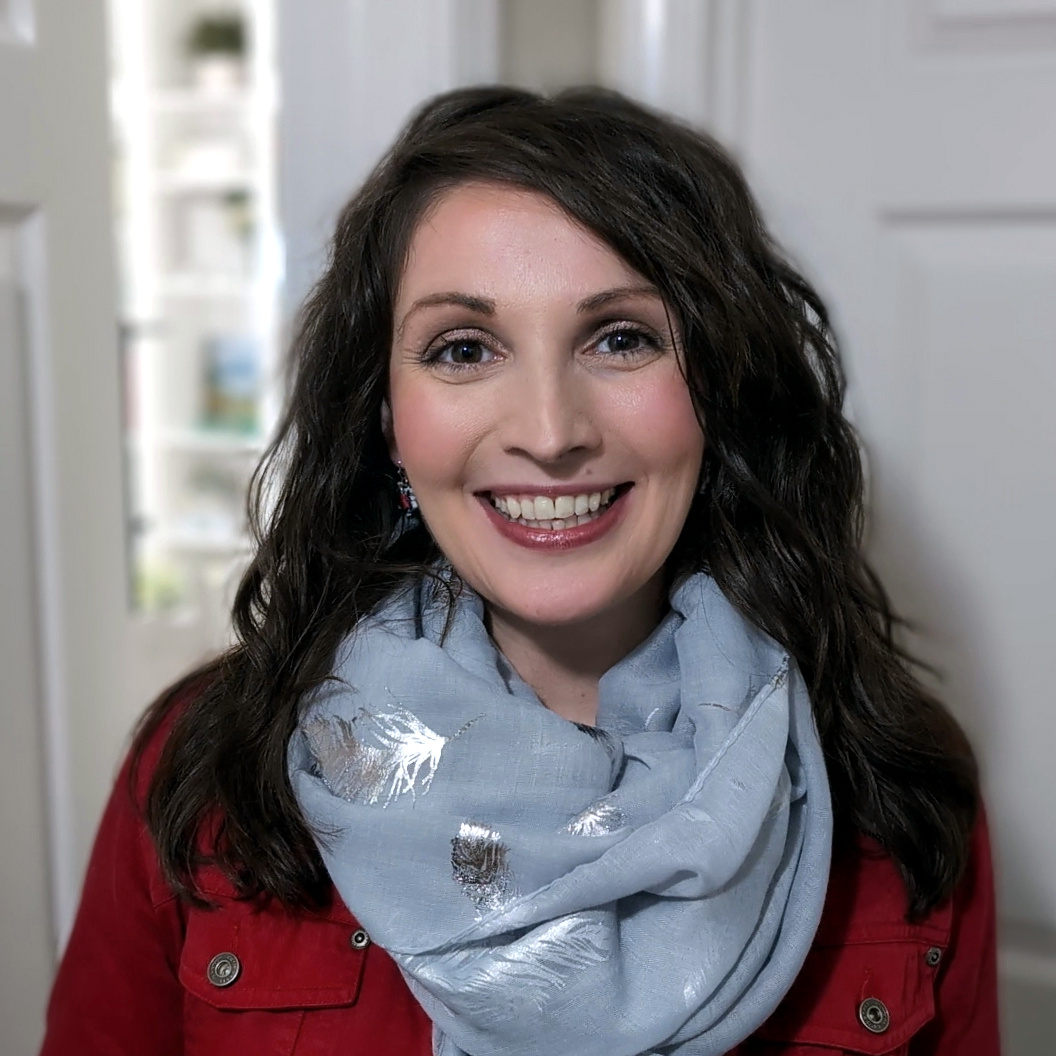 Doc Bok
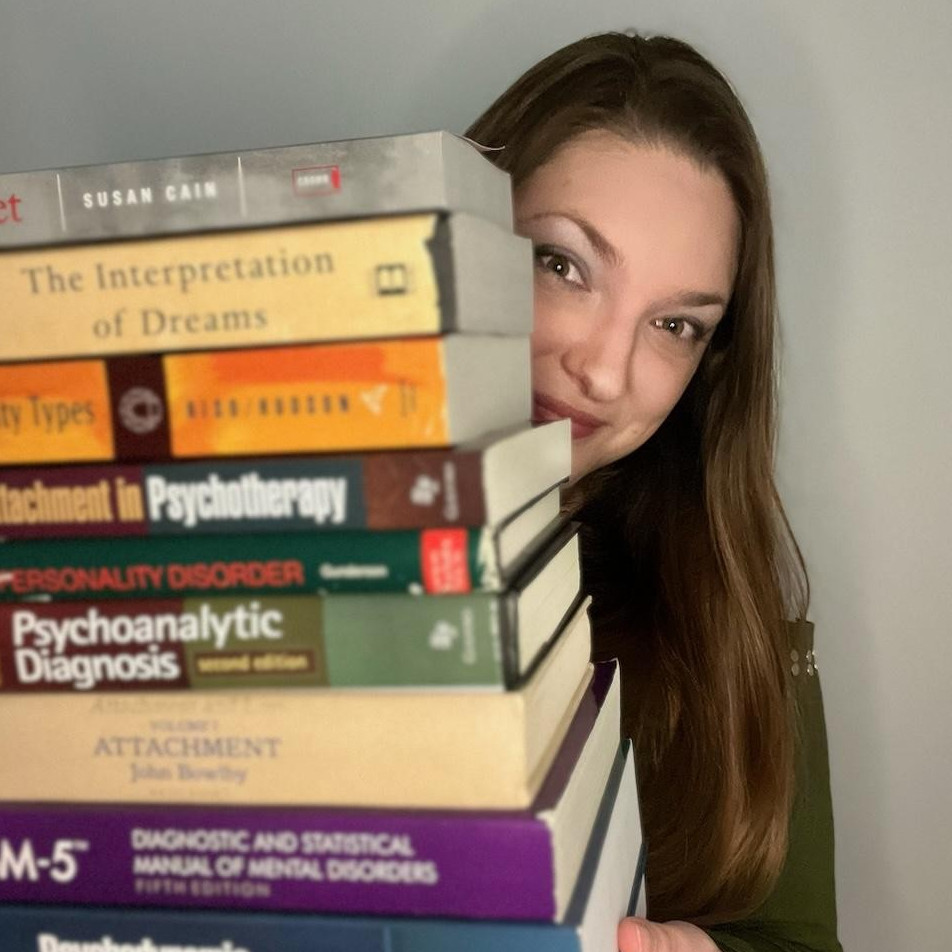 Doc Fish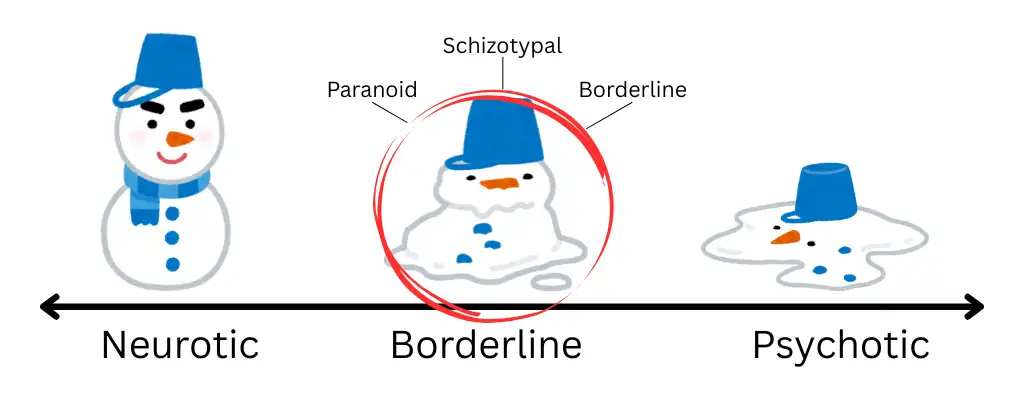
The 3 Unstable Personalities
At the borderline level of organization, there are some personalities that are falling apart: Schizotypal, Borderline, and Paranoid. Millon calls them “structurally defective”…but what does that even mean? Here I take a look at these melting personalities.
Doc Fish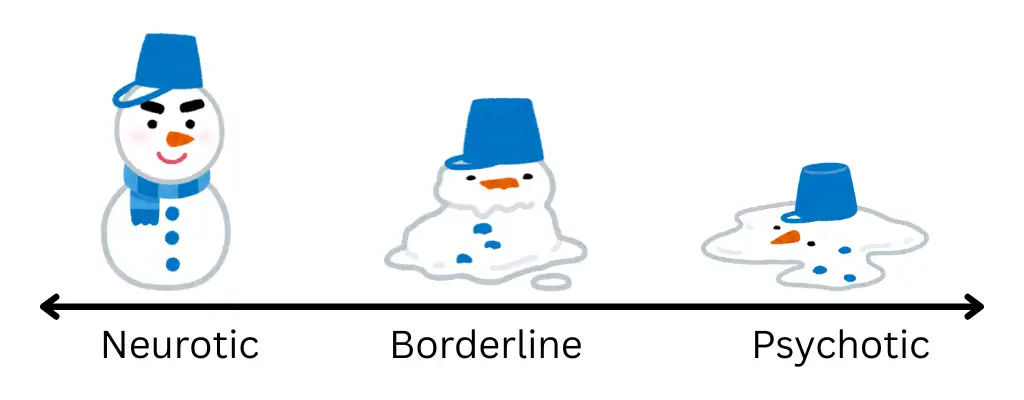
Understanding Neurotic, Borderline, and Psychotic Personalities
Historically, we used to have two categories for psychological patients to fall in: neurotic or psychotic. But that wasn’t enough (surprise!) because there were individuals who didn’t fall into either category. Alas, the borderline state of being was coined! Learn more about these three categories of personality functioning.
Doc Fish
Ep 43: The 6 Schizotypal Subtypes Explained
In this episode of The Personality Couch Podcast, we (licensed clinical psychologists Doc Bok and Doc Fish) unpack the 6 subtypes of schizotypal personality disorder, according to Dr. Theodore Millon. We outline Millon’s take on “structurally defective structures” as being at risk of falling apart into psychosis at all levels of functioning, with the most severe levels of schizotypal deteriorating into schizophrenia. We then discuss the characteristics of mild, moderate, and severe subtypes, specifically: Disengaged Eccentrics, Apprehensive Eccentrics, the Insipid Schizotypal, the Timorous Schizotypal, the Immobile Schizophrenic, and the Disorganized Schizophrenic.
Doc Bok
Doc Fish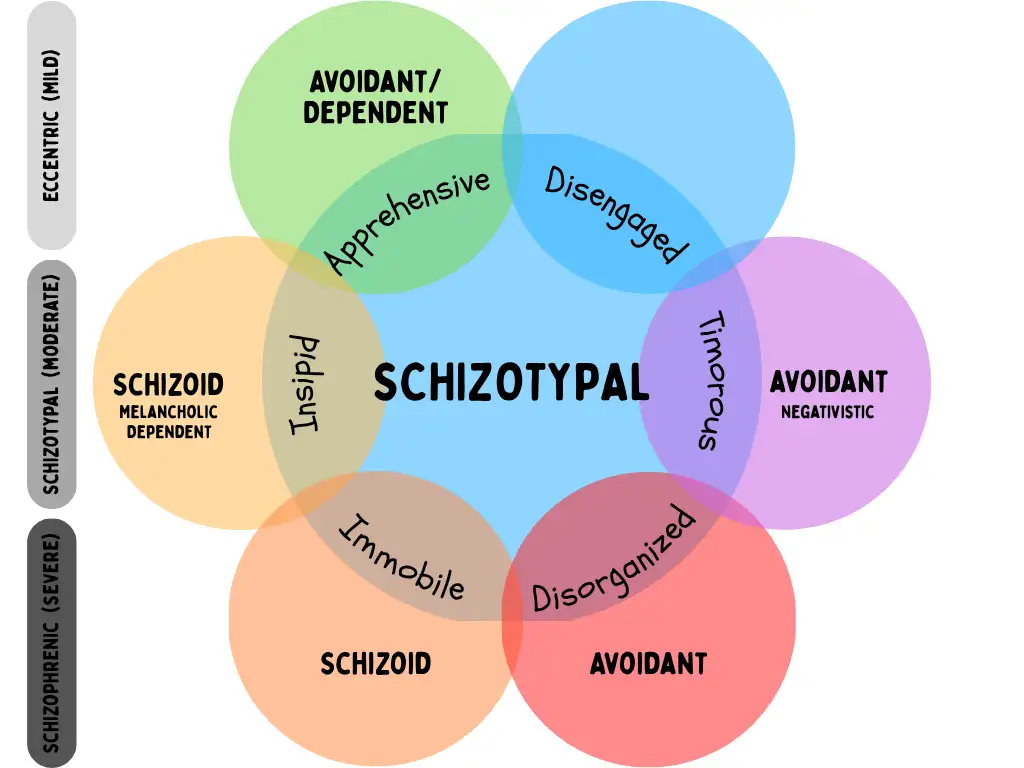
Schizotypal Personality Subtypes (Millon)
Join me, as I dive into Millon’s 6 schizotypal subtypes - a unique personality structure that can easily fall apart into psychosis.
Doc Fish
Ep 42: The Almost Psychotic Personality | Schizotypal in the DSM
In this episode of the Personality Couch Podcast, we (licensed clinical psychologists Doc Bok and Doc Fish) dive into the origins, diagnostic criteria, and oddities associated with schizotypal personality disorder and what it means to be almost psychotic, but not quite. We unpack idiosyncrasies and “cognitive slippage” of schizotypals that include odd speech patterns, suspiciousness, emotional expression, and social anxiety. This episode also highlights the importance of cultural context in diagnosis and not overpathologizing trends or religious norms. We also explore the overlap with and risk of schizophrenia in schizotypals, along with long-term implications of living in a quasi-psychotic cognitive space.
Doc Bok
Doc Fish
Schizotypal Personality Disorder in the DSM-5-TR
Schizotypal personality disorder is not quite in reality, but not quite out of it. Some theorists don’t view it as its own disorder, but the DSM-5-TR does! Let’s dive into the criteria that define schizotypal personality disorder.
Doc Fish
Ep 41: The Schizophrenic Personality | Understanding Schizotypal & Schizotypy
In this episode of The Personality Couch, we (licensed clinical psychologists Doc Bok and Doc Fish) explore the origins and nuances of schizotypal personality disorder, its genetic links to schizophrenia, and the clinical observations that define it. We discuss the evolution of the term ‘schizotypal’ in the DSM, the implications of schizotypy, and how environmental factors and social learning influence its development. We also uncover observable traits of schizotypal individuals, their social interactions, and self-concept, providing a comprehensive overview of this intriguing personality disorder that is not quite psychotic, but close.
Doc Bok
Doc Fish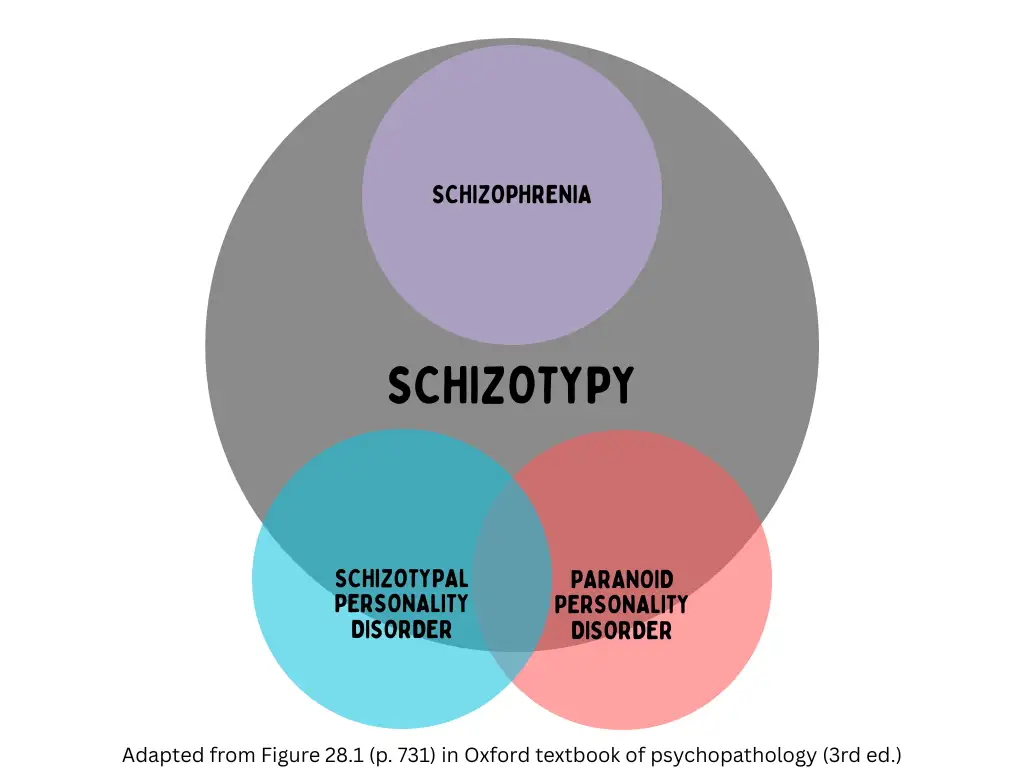
The Schizophrenic Personality | Understanding Schizotypal & Schizotypy
Is there a personality predisposed to schizophrenia? Researchers seem to think so! Pull up a chair, and join me, as I unpack the super fascinating topic of schizotypy, and also explain what schizotypal personality looks like!
Doc Fish
Ep 40: Schizoid vs. Schizotypal vs. Schizophrenia - What the Difference?
In this episode of The Personality Couch, we (licensed clinical psychologists Doc Bok and Doc Fish) compare and contrast schizoid and schizotypal personality disorders, as well as schizophrenia. We define key terms, explore the overlap and differences among these disorders, and introduce the concept of schizotypy as a genetic predisposition towards schizophrenia. We further discuss the concept of schizotaxia, or “cognitive slippage” and the impact of birth trauma on schizo development. We also share our opinions about where schizoid fits on this continuum and if they are schizotypes or not.
Doc Bok
Doc Fish