Schizotypal Personality (STPD)
DSM-5-TR: 301.22 ICD-10: F21In this series, we take a critical look at schizoid vs schizotypal personalities and unpack the research about genetic markers like schizotypy that put an individual at risk of schizophrenia. We look at DSM criteria; the 6 subtypes according to Millon; and explore the instability inherent in this condition, making it more prone to falling out of reality and into psychosis.

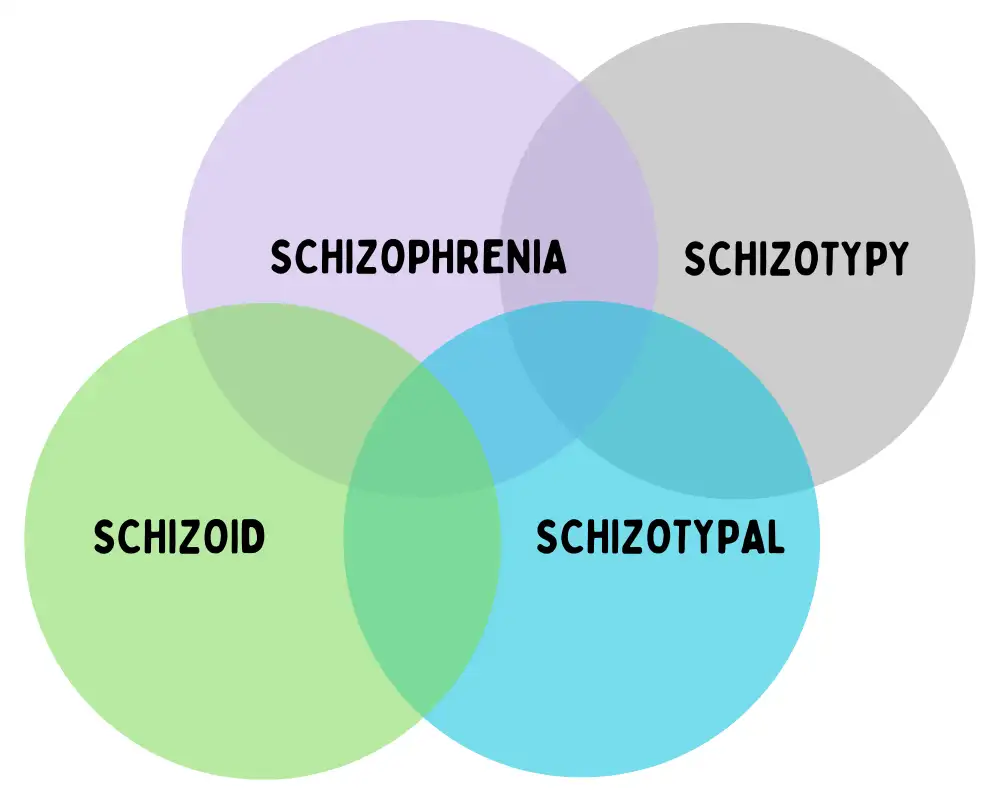
Schizoid vs. Schizotypal vs. Schizophrenia
Do you ever get confused with all the disorders that start with the prefix “schizo-” (meaning split or schism)? That’s because it’s super convoluted, and psychologists/psychiatrists are still arguing about some of them! Join me, as I dive into the similarities and differences of schizoid, schizotypal, and schizophrenia, as well as schizotypy!
 Doc Fish
Ep 31: Paranoia, Paranoid Personality, or Schizophrenia? | Which Is It?
In this episode of The Personality Couch Podcast, we (licensed clinical psychologists Doc Bok and Doc Fish) unpack how paranoia, paranoid personalities, and psychotic disorders overlap. We explore the line between personality disorders and psychosis; misuse of the term schizophrenia; and introduce the concept of paraphrenia as it relates to psychosis in the paranoid personality. We also explore the historical context of paranoia, the nuances between paranoia and delusions, and how the terms became so intertwined in history. We end with our own unfiltered thoughts about limitations to DSM diagnostic categories and how paranoia became so confusing!
 Doc Bok
Doc Fish
Doc Bok
Doc Fish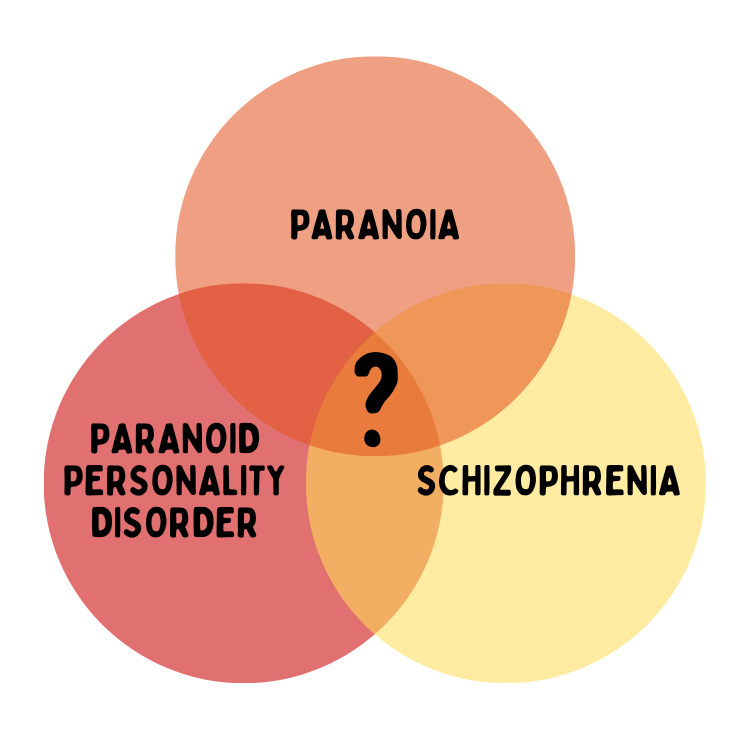
Parsing out Paranoia, Paranoid Personality, and Paranoid Schizophrenia
What do paranoia, paranoid personality disorder, and paranoid schizophrenia have in common? Not nearly as much as you would think! Here, I help parse out all the perplexing paranoia/d packages.
Doc Fish
Ep 07: Personalities That Kill
In this episode of the Personality Couch Podcast, we discuss personality darkness and specifically focus on personalities that are prone to violence and extreme behavior. We also discuss two important research studies, the Milgram study and the Stanford prison experiment, that shed light on the capacity for humans to engage in harmful acts. We then delve into the different personality types within Cluster A (schizoid, schizotypal, and paranoid); Cluster B (borderline, histrionic, and narcissistic); and Cluster C (avoidant, dependent, obsessive-compulsive) and discuss their risk levels for violence and murder. In this conversation, we also explore sadistic personalities, a category not included in the DSM, but included in multiple other personality theories. We highlight the characteristics and behaviors associated with each type and discuss the potential for violence and destructive behavior. The conversation emphasizes the importance of understanding these personalities and their potential risks in order to promote awareness and better understanding of human behavior.
Doc Bok
Doc Fish
Personalities That Kill
Harm to others surrounds us in a ridiculous amount of ways. The popularity of true crime, dark genres, horror media, etc., provides evidence that people are interested in this topic. And of course, there’s always some recent event that can remind us of the darkness people have in them. There is SO much I could say about this topic, but for now: What personalities are at the most risk to kill?
Doc Fish